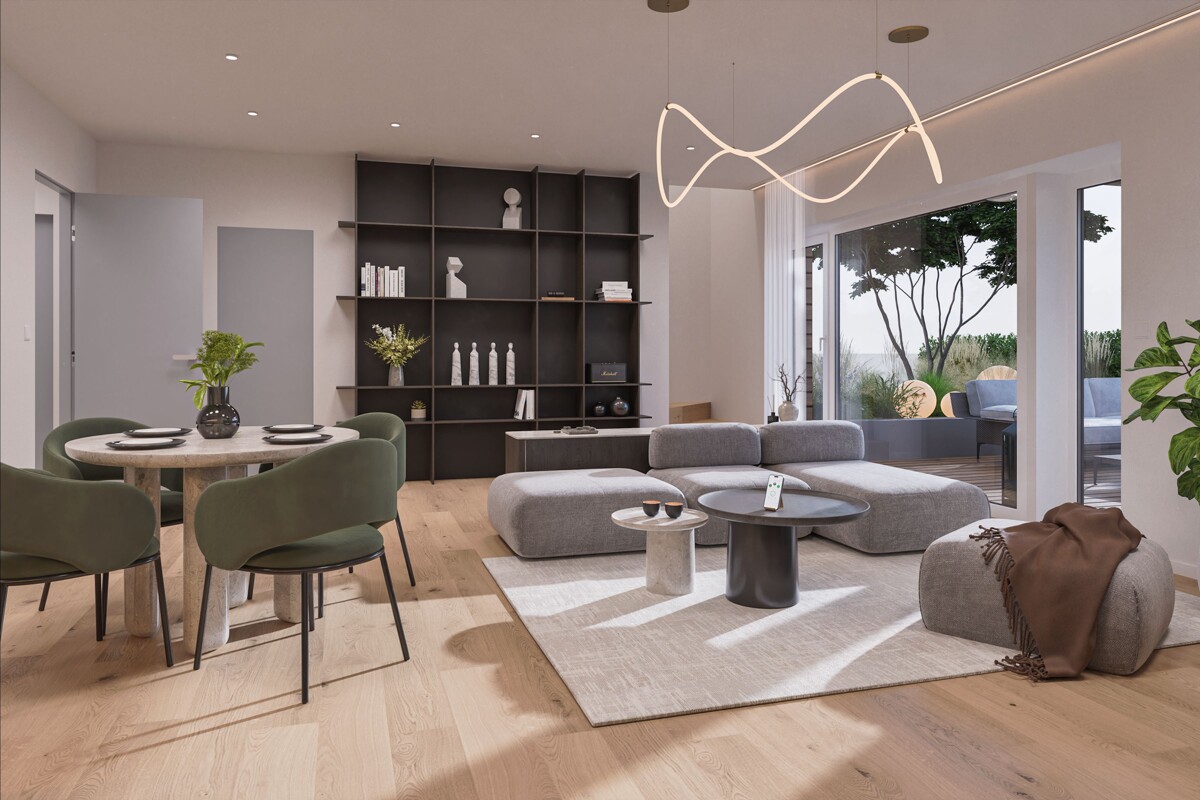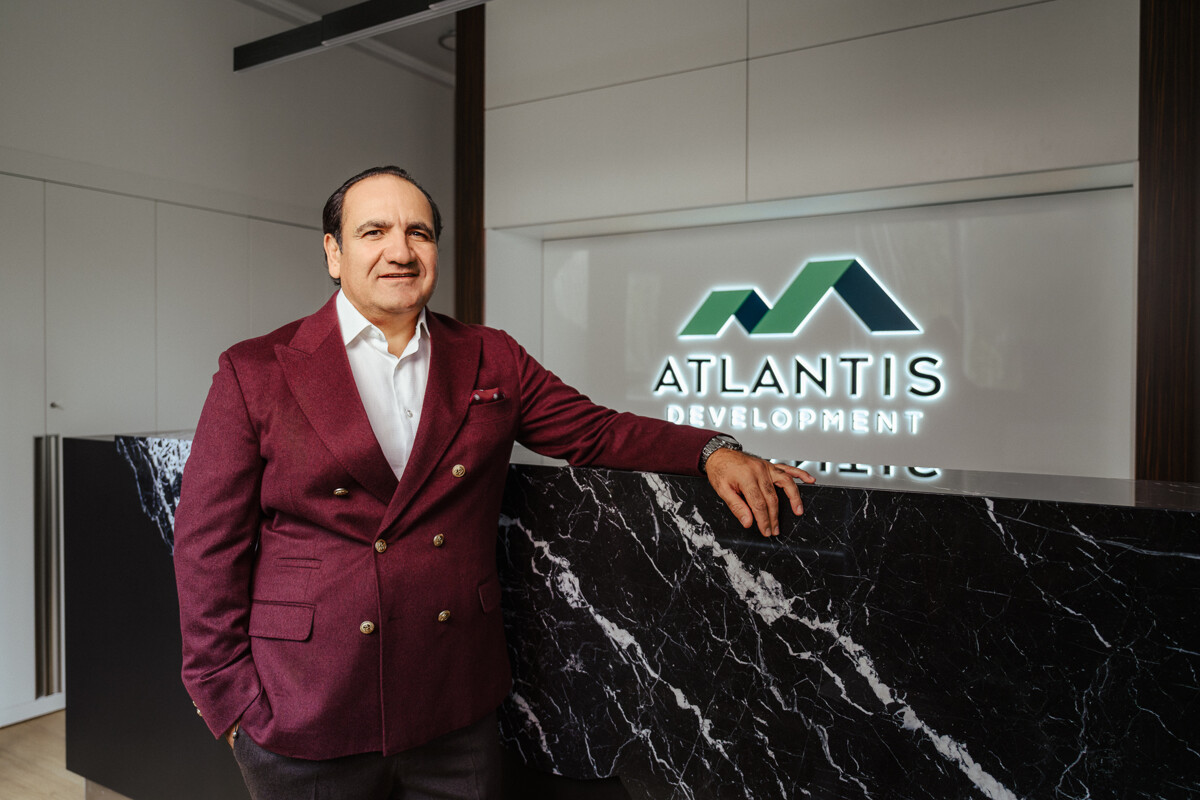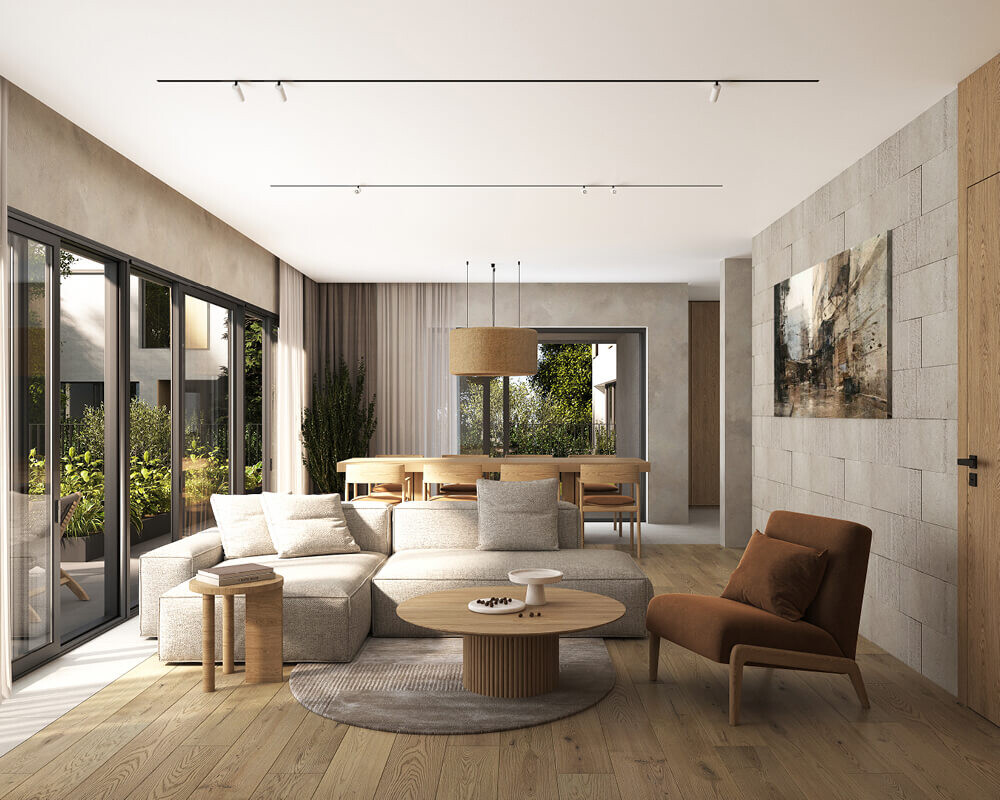
Developer Aram Novel Marutian focuses on passive standard construction, precise architectural solutions, and the implementation of technologies inspired by Austria and Switzerland in the Ctěnický háj and Via Sancta projects.
“Our goal is to build projects that will remain functional and relevant even in twenty years,” says the owner of Atlantis Development.
In your projects, you combine energy efficiency, natural materials, and low-rise architecture. How did this development philosophy originate?
From the very beginning, we asked ourselves how residential projects can stand the test of time — not only economically, but also socially and environmentally. Our first project was Žižkovské pavlače, where we worked with low-energy solutions for the first time. This was followed by Ctěnický háj, where we decided to move into the passive standard. The result was a project with exceptionally low energy demand.
Our current project, Via Sancta Vinoř, goes even further. Our goal is to become a leader in sustainable residential development in the Czech Republic and to show that it is possible to set a new standard for the future — not just meet the current one.
What makes Via Sancta Vinoř sustainable?
Via Sancta is built on three pillars: environmental, social, and economic sustainability. Our ESG strategy covers six key areas — from energy efficiency and water management to green space support, healthy indoor environments, sustainable mobility, and circular economy principles in construction.
We use geothermal heat pumps (ground-to-water), passive cooling, heat recovery ventilation, photovoltaic readiness, and a rainwater harvesting system. The project also achieves carbon-neutral construction. More than 70% of the materials used are environmentally certified, and over 50% consist of recycled resources.
Via Sancta focuses not only on sustainability but also on high-quality indoor environments.
Exactly. From the outset, we wanted to demonstrate that sustainability and premium quality are not mutually exclusive — on the contrary, they complement each other. That is why we set technical standards at the level of premium housing: three-layer wooden floors, wood-aluminum windows, large-format tiles, and top-tier sanitary equipment.
We believe that investing in a healthy and high-quality living environment must be reflected in every detail.
You mentioned technology — what forms the technological core of the project?
We drew inspiration from Austria and Switzerland, where we studied examples of sustainable residential developments. It was not just about overall concepts, but also detailed structural and technological solutions.
Based on this, we incorporated technologies from companies that are leaders in their fields — whether renowned European manufacturers or top Czech technology firms.
What specific technologies will residents be able to use?
Apartments are equipped with the KNX smart home system, enabling control of heating, cooling, blinds, and lighting. Each parking space is structurally prepared for the installation of an electric vehicle charging station.
A major benefit also came from cooperation with Schneider Electric, a global leader in energy management, which allowed us to integrate intelligent systems for energy and comfort management.
Your projects in Prague do not resemble conventional developer construction. Why did you choose low-rise buildings?
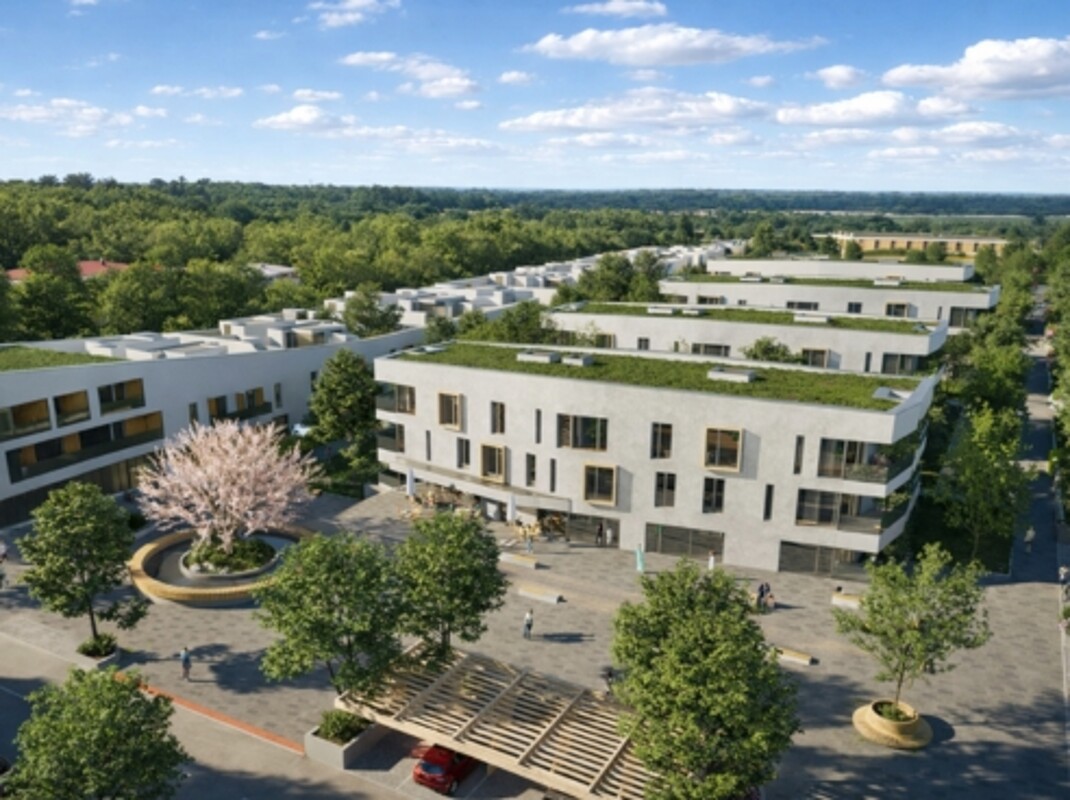
We believe low-rise solutions provide significantly greater tranquility and privacy. The buildings have three floors, with a maximum of eight to twelve apartments per building, creating a completely different atmosphere than large blocks with dozens of units.
It is important for us that people do not feel the pressure of overcrowded environments. This naturally supports community life, where neighbors meet organically. The concept has proven successful in Ctěnický háj, and we are expanding it further in Via Sancta.
How do you approach the exterior design?
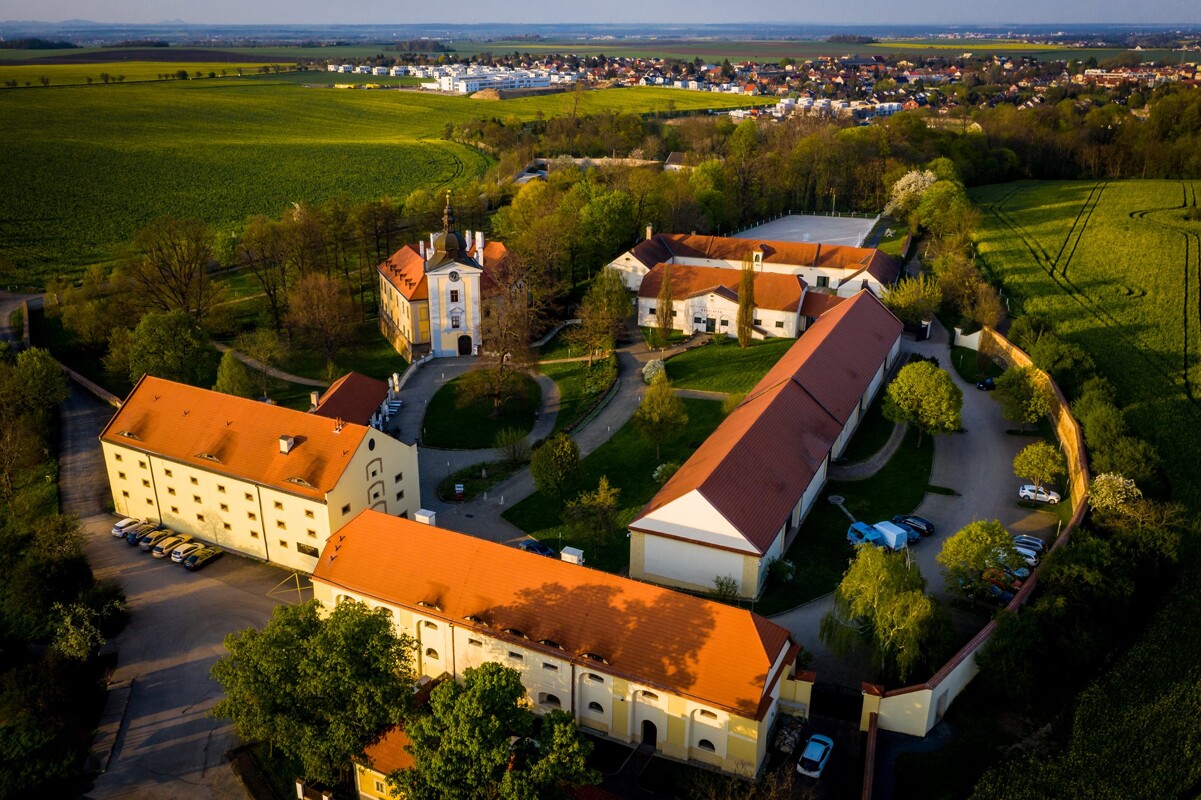
Landscape architecture is a key element. The project includes two parks, a natural amphitheater, a square with shops, workout zones, and connections to surrounding cycling paths.
We want people to feel good not only in their apartments but also in the place where they live. That is why we actively support community life and plan social events and neighborhood gatherings.
We are convinced that quality urban living arises in an environment people can naturally embrace as their own.
What led you to this approach?
Personal experience. I invested in passive houses in Austria and Switzerland. Even earlier, in cooperation with Czech architects, I participated in the construction of a hotel that was later included in the international Best Western network.
These experiences shaped our technical know-how and reinforced our belief that architecture must be not only aesthetic but also functional and responsible.
As a Czech citizen, I feel responsibility toward the environment in which I live. I want to build projects that will stand the test of time — regardless of economic cycles or trends. I want our homes to be healthy, sustainable, and built to a high standard. That is the DNA of Atlantis Development.
Many partners are involved in the project. Who stands behind its success?
Our vision would not have been possible without collaboration with top professionals. These include architect Břetislav Lukeš as the project’s author, OMEGA Project design studio, VENTIA — a technology company specializing in sustainable systems for residential construction — and Schneider Electric as an expert consultant in intelligent building management.
They all deserve great thanks — together we are pushing the boundaries of Czech residential development.
When will the first residents of Via Sancta be able to move in?
Construction is planned to begin in the second quarter of 2026, although work may start slightly earlier. Completion of the first phase is scheduled for 2028.
Importantly, this phase includes most of the infrastructure, meaning parks, sports facilities, and outdoor amenities will be available from the outset. From the first months, the project will function as a fully-fledged residential environment — not as a construction site awaiting future stages.
Will Atlantis Development continue in this direction?
We will continue developing the direction that has proven successful: low-rise buildings, high-quality technologies, natural materials, and a strong community dimension.
The goal is not rapid growth, but to create community-oriented residential projects in Prague and its surroundings with a high standard and a significant share of greenery.
Each new project should represent another step in evolution — just as Ctěnický háj advanced beyond earlier developments, and Via Sancta raises the standard even further. We see Vinoř as a location where such projects can be developed long-term.

-1772546761.jpg)

-1775550357.jpg)